November 2024

How to Reduce Formaldehyde Levels in Your Home
Blog, Chamber Method (EN 717-1), EN Standards and E.LES, Flask Method (EN 717-3), Gas Analysis Method (EN 717-2), Perforator Method (EN 120), Reduce Formaldehyde Levels

How to Reduce Formaldehyde Levels in Your Home

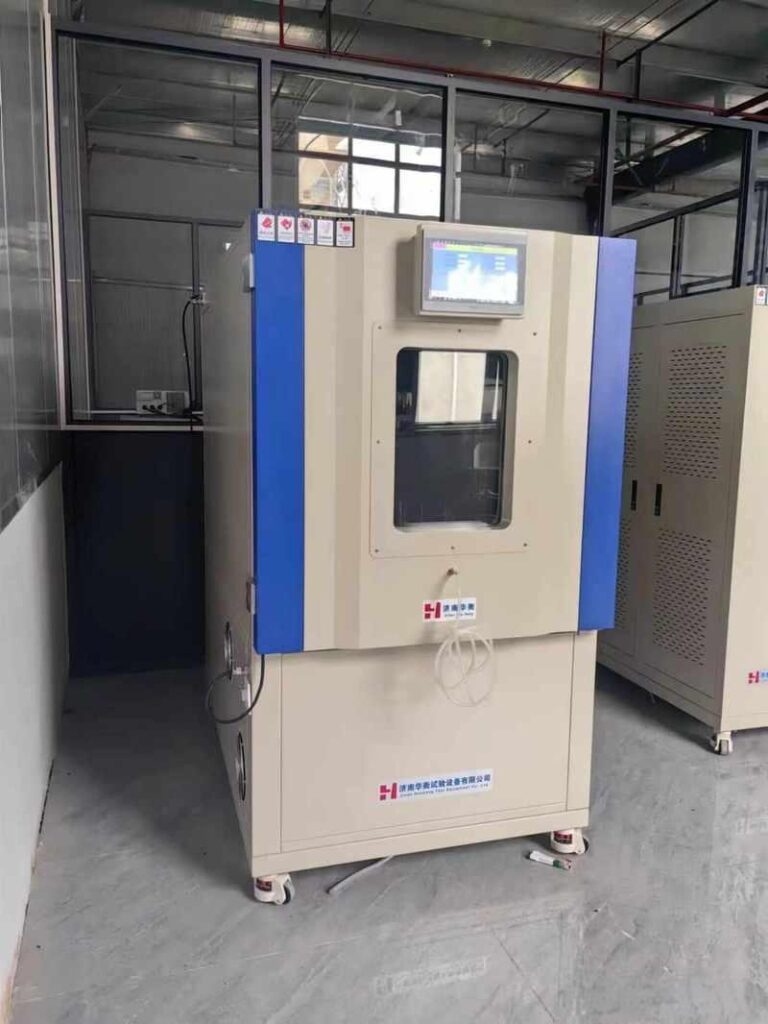
Formaldehyde is a common volatile organic compound (VOC) found in many household materials, including plywood, furniture, and flooring. Prolonged exposure to high levels of formaldehyde can lead to health concerns, such as respiratory issues and irritation of the eyes, nose, and throat. While it’s nearly impossible to eliminate formaldehyde entirely, you can take several steps […]
edge banding
Blog, Edge Banding for Plywood

What Is Edge Banding for Plywood?

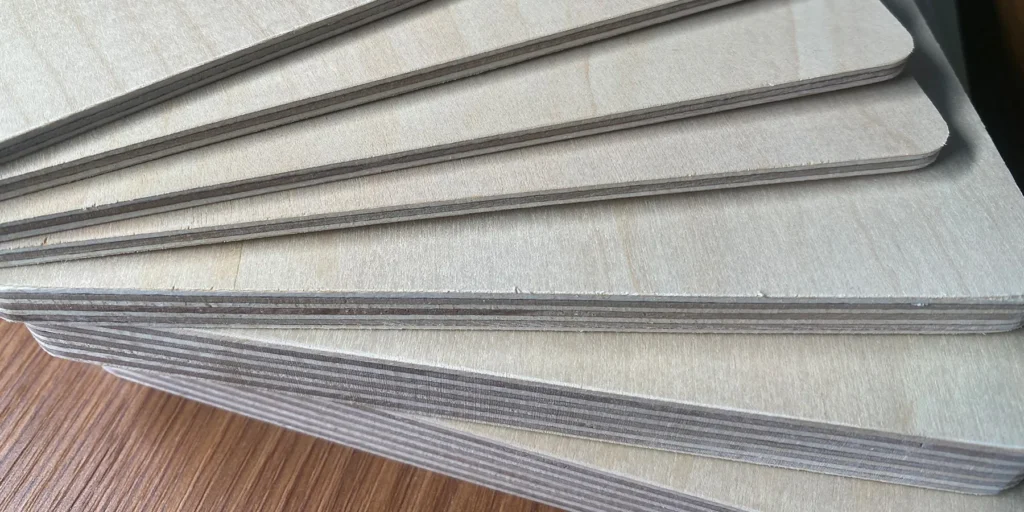
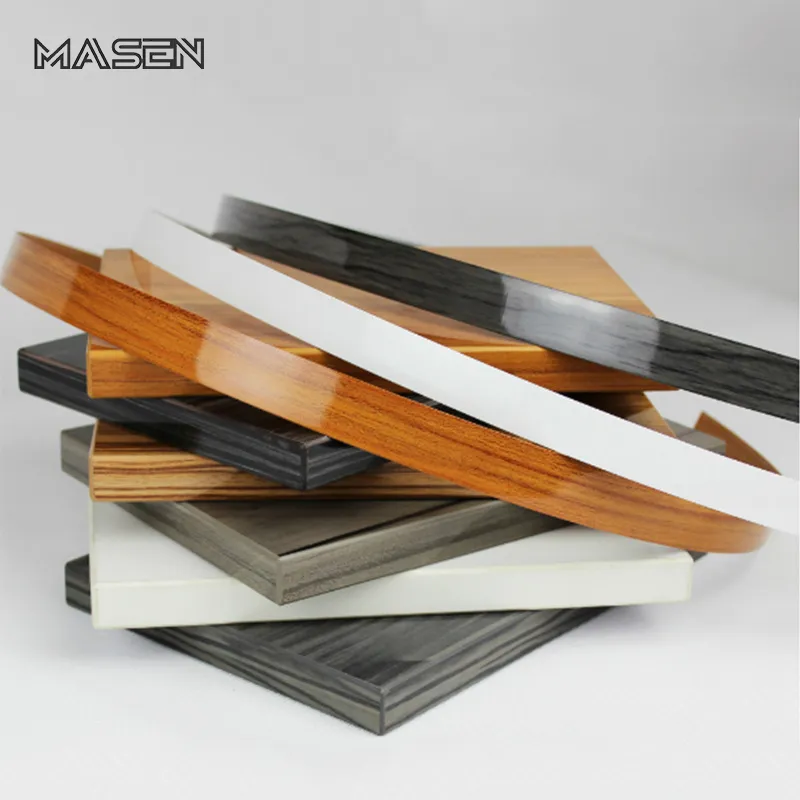
Edge banding is a thin, flexible strip of material used to cover the exposed edges of plywood, giving it a polished, finished appearance. Often made from real wood veneer or other materials, edge banding enhances plywood projects by providing durability, aesthetic appeal, and a seamless look that closely resembles solid wood. It can be stained,

Formaldehyde Testing Methods in Plywood and Wood-Based Panels
Blog, Chamber Method (EN 717-1), Flask Method (EN 717-3), Gas Analysis Method (EN 717-2), Perforator Method (EN 120)

Formaldehyde Testing Methods in Plywood and Wood-Based Panels

Testing formaldehyde emissions in plywood and similar materials is essential to ensure compliance with global standards and to minimize health risks. Various standardized methods are employed to measure formaldehyde emissions accurately. Here’s an overview of the key testing methods: 1. Chamber Method (EN 717-1) 2. Perforator Method (EN 120) 3. Gas Analysis Method (EN 717-2)

Formaldehyde Emission Standards in Plywood Across the Globe
Blog, EN Standards and E.LES, GB/T 39600-2021 Standard, JAS 4-Star Formaldehyde Rating, TSCA Title VI Compliance

Formaldehyde Emission Standards in Plywood Across the Globe

Formaldehyde, commonly used in plywood adhesives, is a volatile organic compound (VOC) with potential health risks. Various countries have established strict standards for formaldehyde emissions in plywood and wood-based panels to ensure safety and environmental compliance. Here’s an overview of formaldehyde standards in key regions: United States: CARB Phase 2 and TSCA Title VI Compliance

Phenolic Glue Plywood
Applications of Phenolic Glue Plywood, Blog, How to Identify Phenolic Glue Plywood, Manufacturing Process of Phenolic Glue Plywood

Phenolic Glue Plywood: A Durable and Waterproof Solution

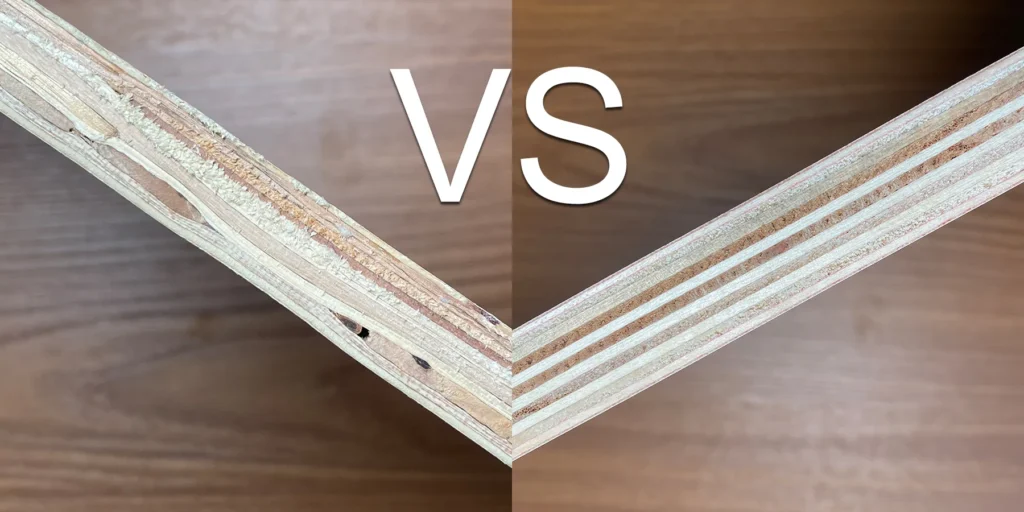
Phenolic glue plywood is recognized as one of the most durable and reliable plywood types available. Thanks to its use of phenolic glue—a water-resistant and high-performance adhesive—it stands out for its strength, stability, and versatility. This article delves into why phenolic glue plywood is superior, its uses, manufacturing process, and how to identify it. Why

Understanding Plywood Bonding Quality
Blog, Cost of Particle Board, Uncategorized

Understanding Plywood Bonding Quality: The Key to Durability and Performance

Bonding quality is one of plywood’s most crucial attributes. It defines the structural integrity and determines whether the plywood can withstand specific environmental conditions. From dry interiors to humid and wet environments, plywood’s adhesive strength and bonding quality play a pivotal role in ensuring its suitability for a variety of applications. In this article, we’ll

Embossed Melamine Plywood
Blog, High Gloss vs Matte, Melamine Plywood Surface Treatments, Production and Types of Melamine Plywood

A Guide to Melamine Plywood Surface Treatments

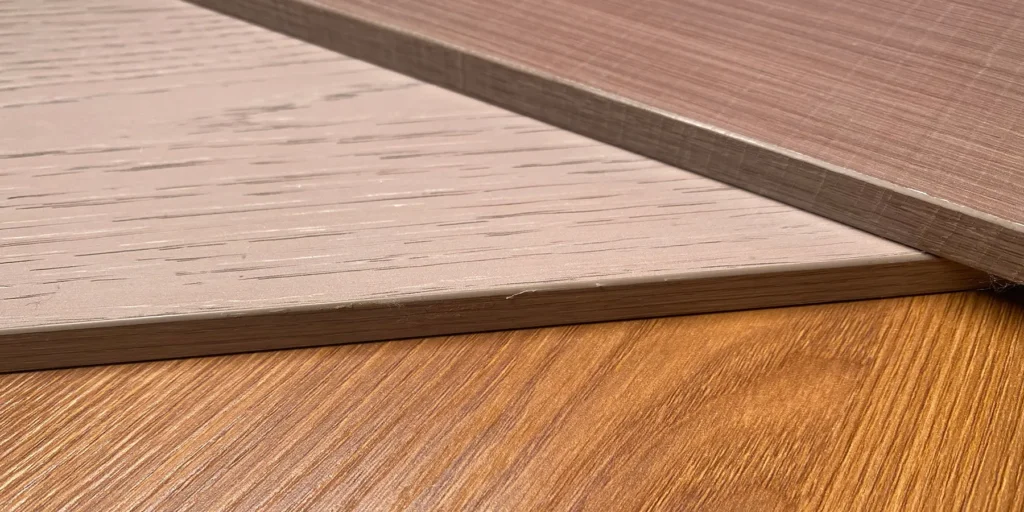
Melamine plywood is an engineered wood product known for its durability, versatility, and stylish finishes. Choosing the right surface treatment for melamine plywood can impact both the aesthetic appeal and functionality of the finished product. There are three primary surface treatments to consider: embossed, glossy, and matte melamine, each with unique characteristics suitable for various

PETG Board
Advantages and Disadvantages of PETG, Blog, Choose PET Film, PET and MDF Cabinet, PET MDF Board

Why Choose PET Film for Your Projects?

In recent years, PET (polyethylene terephthalate) film has emerged as a top choice in various industries, from construction and furniture to packaging and design. Replacing traditional PVC-based materials, PET film is valued for its versatility, safety, and eco-friendly properties. PET film’s adaptability to different applications—whether in 3D molding, 2D coating, or flat lamination—has made it

Scroll to Top